How To Grow Hydrangea Paniculata Jane
How to Grow Hydrangea Paniculata Jane
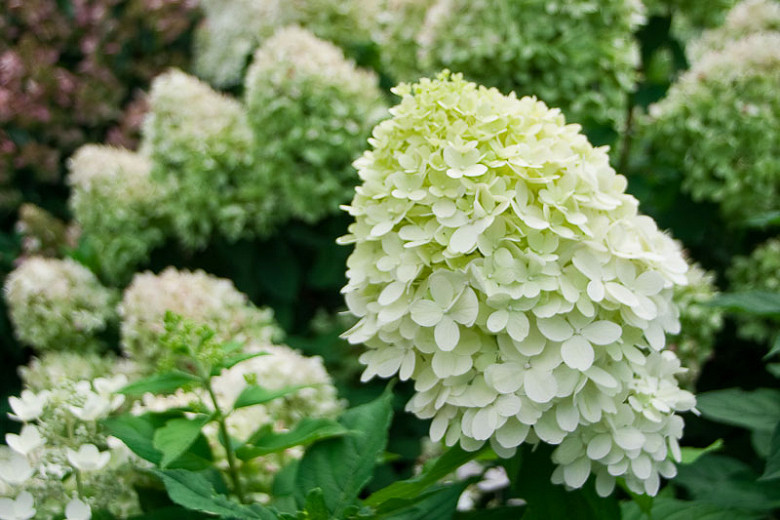
Hydrangea paniculata Jane, also known as Little Lime, is a beautiful and easy-to-grow shrub that is perfect for adding color and interest to your garden. With its delicate lime-green flowers that bloom from late summer to early fall, Hydrangea paniculata Jane is sure to be a showstopper.
In this blog post, we will discuss everything you need to know about growing Hydrangea paniculata Jane, including:
- Choosing the right location
- Planting and care
- Pruning
- Propagating
- Fertilizing
- Troubleshooting
By following these tips, you can easily grow your own Hydrangea paniculata Jane and enjoy its beautiful flowers for years to come.
Choosing the right location
Hydrangea paniculata Jane prefers full sun to partial shade. It will tolerate full sun in cooler climates, but in hot, sunny areas, it may benefit from some afternoon shade. The soil should be moist but well-drained. Hydrangea paniculata Jane is not tolerant of wet, soggy soils.
Planting and care
Hydrangea paniculata Jane can be planted in the spring or fall. When planting, dig a hole that is twice as wide as the root ball and just as deep. Amend the soil with compost or other organic matter. Place the plant in the hole and backfill with soil, tamping down firmly. Water well.
Hydrangea paniculata Jane is not a heavy feeder. Feed it once a year in the spring with a balanced fertilizer. Water regularly, especially during the first year after planting. Mulch around the plant to help keep the soil moist and cool.
Pruning
Hydrangea paniculata Jane can be pruned in the spring or fall. If you prune in the spring, do it before the plant blooms. If you prune in the fall, do it after the plant blooms.
To prune, remove any dead, diseased, or damaged branches. You can also thin out the plant by removing some of the older branches. This will encourage new growth and more flowers.
Propagating
Hydrangea paniculata Jane can be propagated by softwood cuttings. To take a softwood cutting, choose a healthy branch that is about 6 inches long. Make a cut just below a node. Remove the lower leaves from the cutting. Dip the cut end in rooting hormone and plant it in a pot of well-draining potting mix. Water the cutting well and place it in a warm, shady location. The cutting should root in about 4-6 weeks.
Fertilizing
Hydrangea paniculata Jane does not need to be fertilized heavily. Feed it once a year in the spring with a balanced fertilizer.
Troubleshooting
If your Hydrangea paniculata Jane is not blooming, it may not be getting enough sunlight. Move it to a sunnier location. If the leaves are turning yellow, it may be a sign of iron deficiency. Fertilize the plant with an iron-rich fertilizer. If the leaves are dropping, it may be a sign of overwatering. Water the plant less often.
Conclusion
With proper care, Hydrangea paniculata Jane is a low-maintenance shrub that will provide you with years of beauty. By following the tips in this blog post, you can easily grow your own Hydrangea paniculata Jane and enjoy its beautiful flowers for years to come.
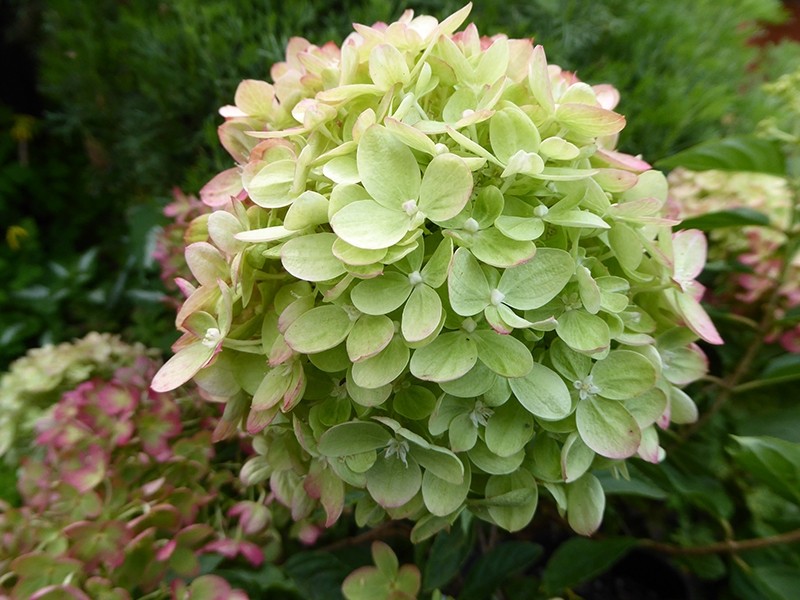
If you're looking for a beautiful and low-maintenance hydrangea, then Hydrangea paniculata 'Jane' is the perfect choice for you. This compact shrub produces large, lime green flowerheads that mature to pink and burgundy in fall. The flowers are held upright on strong stems, so they won't droop even in heavy rain. 'Jane' is also relatively drought tolerant, making it a good choice for gardens in hot, dry climates.
To learn more about Hydrangea paniculata 'Jane', including its care requirements and planting instructions, I recommend visiting . This website has a wealth of information on all types of hydrangeas, including 'Jane'. You can also find photos, videos, and articles on hydrangea care and gardening tips.
FAQ of hydrangea paniculata jane
What is Hydrangea paniculata Jane?
Hydrangea paniculata Jane is a deciduous shrub that is native to Japan. It is known for its large, white panicles of flowers that bloom in the summer. The flowers can grow up to 12 inches in diameter, and they are often used in wedding bouquets and floral arrangements. Hydrangea paniculata Jane is a relatively easy plant to care for, and it is hardy in USDA zones 4-9.
How tall does Hydrangea paniculata Jane grow?
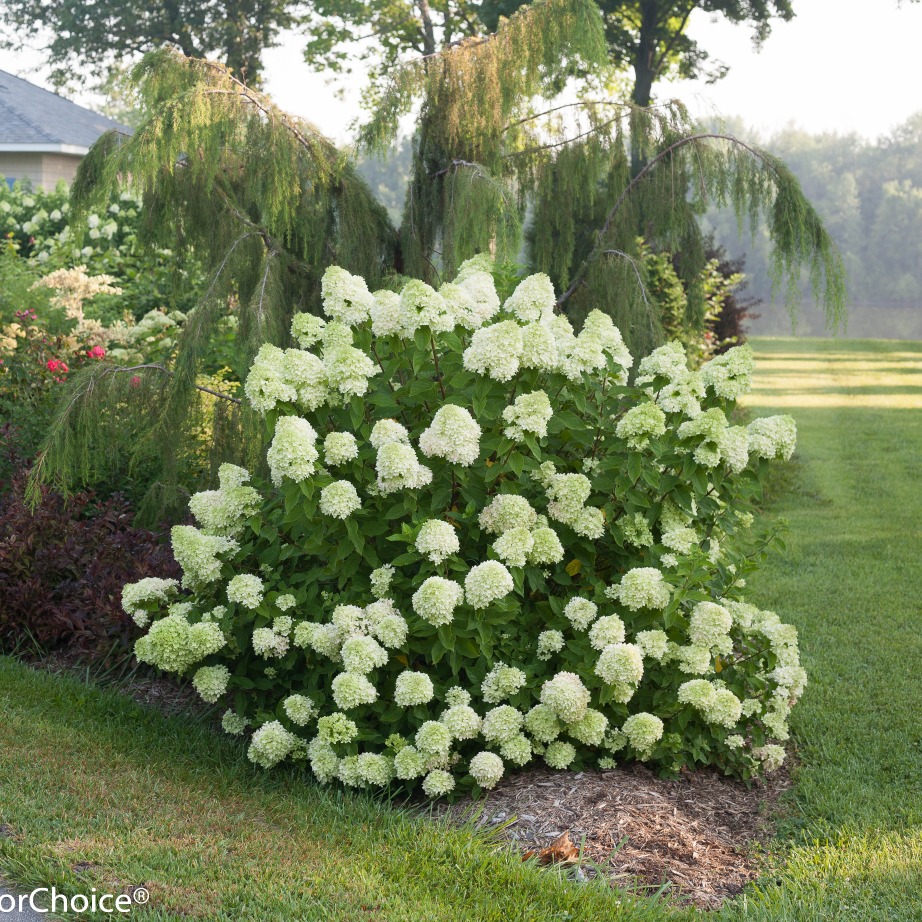
Hydrangea paniculata Jane can grow up to 6 feet tall and 4 feet wide. However, it can be easily pruned to keep it smaller.
When does Hydrangea paniculata Jane bloom?
Hydrangea paniculata Jane blooms in the summer, from June to August. The flowers are white at first, but they can turn pink or blue depending on the acidity of the soil.
How do I care for Hydrangea paniculata Jane?
Hydrangea paniculata Jane is a relatively easy plant to care for. It prefers full sun to partial shade and well-drained soil. It should be watered regularly, especially during the summer months. Hydrangea paniculata Jane is not very susceptible to pests or diseases.
How do I propagate Hydrangea paniculata Jane?
Hydrangea paniculata Jane can be propagated by cuttings or division. Cuttings should be taken in the spring or summer from healthy, non-flowering stems. Division can be done in the fall or spring.
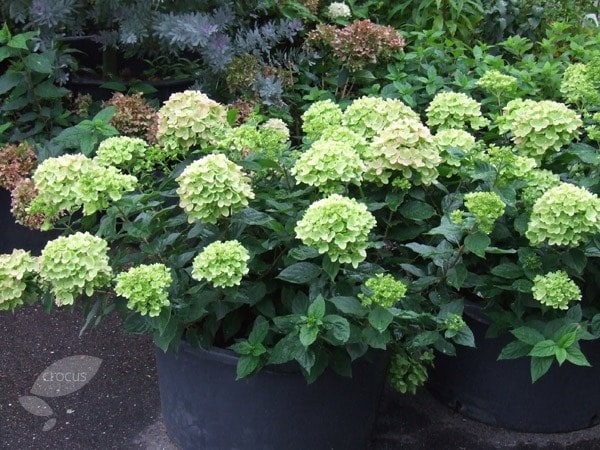
Image of hydrangea paniculata jane
Here are 5 different images of "hydrangea paniculata jane" from pinterest.com:


Post a Comment for "How To Grow Hydrangea Paniculata Jane"